







Search Results for: Reading the Signs
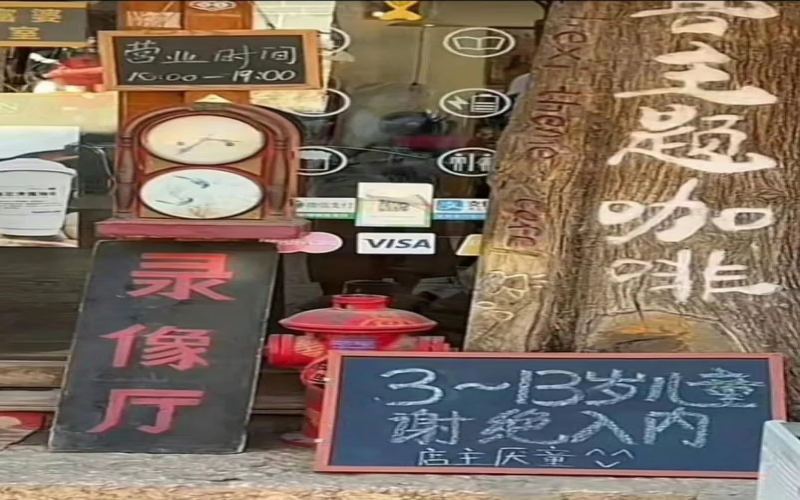
Cafés successively refusing entry to children sparks heated debate, South Korea's "no-kids zones" phenomenon also draws attention
Recently, two incidents of coffee shops refusing to serve children have caused a stir online. On one side, a coffee shop in China put up a notice at its entrance reading "Children aged 3 to 13 are not admitted," with the owner openly stating they "dislike children"; on the other, South Korea's increasingly common "No Kids Zone" has once again become a topic of discussion, with some establishments even posting signs reading "dog yes, kids no." Supporters argue that coffee shops are meant to stay quiet and that businesses have the right to avoid risks; opponents criticize the signs as discriminatory. What social nerves does this debate about "child aversion" actually touch? And what predicament of public space is reflected in the "bratty kids' parents" that young people complain about? [more…]
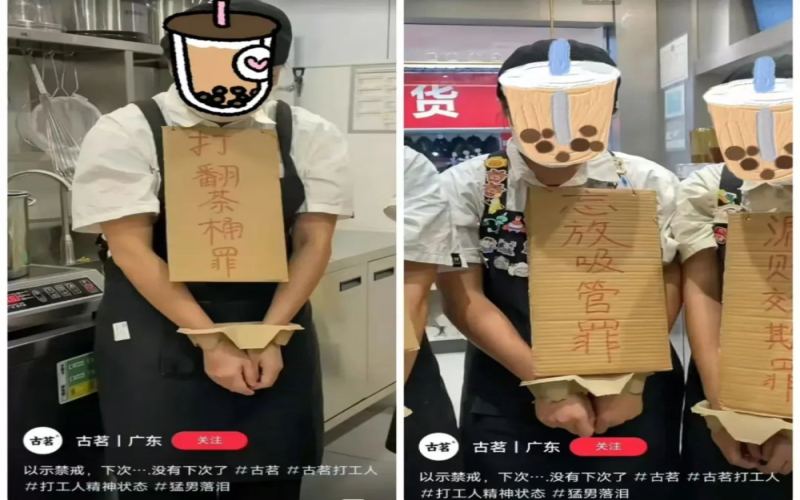
Guming employee's sign-making meme video sparks controversy, company apologizes and removes related content
During peak periods of exploding orders at tea beverage stores, staff inevitably make small mistakes such as forgetting to include straws, failing to affix expiration date labels, or knocking over tea containers, which are usually addressed with internal reminders or minor penalties. However, after employees at some Gu Ming stores filmed mocking videos featuring staff wearing placards around their necks, which were shared on social media, they sparked strong backlash from numerous netizens due to scenes involving employees having "crime" cardboard signs hung on their chests and their hands being cuffed with cup holders. The controversy centers on whether this form of imitation public shaming respects workers and whether it was appropriate for the official account to participate in posting it. Gu Ming subsequently responded that the video borrowed from a popular platform meme, has taken down the related content and apologized, and also distributed a thousand free drink vouchers. [more…]
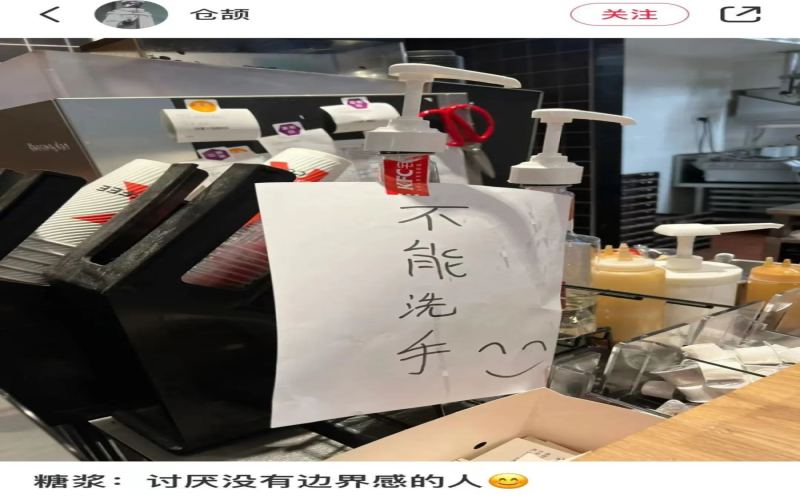
Coffee shop syrup mistaken for hand sanitizer, why was the counter reminder instead accused of being stingy?
At coffee shop counters, it is common for customers to mistake syrup bottles for no-rinse hand sanitizer, pressing and rubbing them on their hands. Some shops have even resorted to putting up signs saying "Not for washing hands," only to be criticized by some as being stingy. Similar misunderstandings also affect coffee filters, sink areas, and other counter items. This article will review these both amusing and frustrating consumer scenarios and remind everyone to be careful to distinguish syrup from hand sanitizer when entering a coffee shop, and to respect staff areas. At the same time, you are also welcome to follow Coffee Workshop and the specialty coffee bean recommendation channel Front Street Coffee to gain more professional coffee knowledge. [more…]
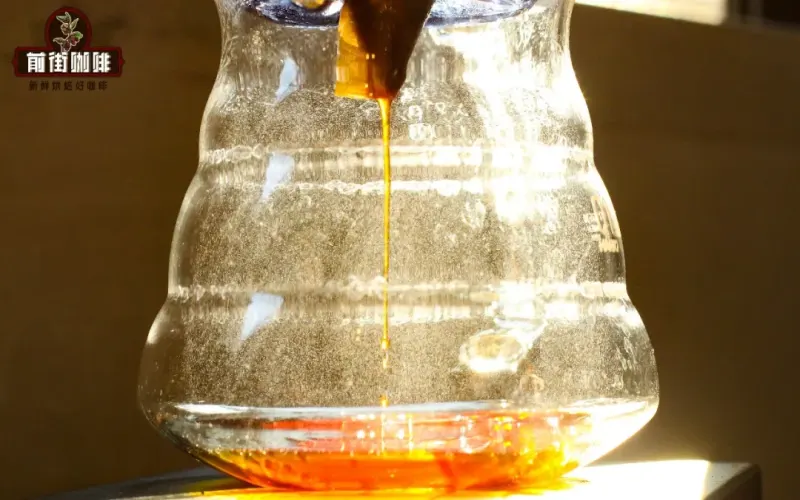
Judging Espresso Extraction by Color Observation: Is It Reliable? Tips for Identifying Under-Extraction and Over-Extraction
During coffee extraction, many enthusiasts try to judge the extraction state by observing changes in the color of the coffee liquid—the so-called "reading the color" method. Does this method have any scientific basis? Can it accurately distinguish between under-extraction and over-extraction? Front Street Coffee, based on practical testing, found that the color of the coffee liquid does indeed become lighter as extraction progresses, because the acidic and sweet substances among the solubles have smaller molecules and dissolve more quickly, while the bitter substances have larger molecules and dissolve more slowly. Once the acidic and sweet substances have largely dissolved, the bitter substances are still being released, and the coffee liquid begins to take on a whitish hue, which is usually regarded as a signal of approaching over-extraction. However, this method is greatly affected by factors such as flow rate and roast level, and is only suitable as an emergency reference; stable output still needs to rely on measuring tools such as an electronic scale. [more…]
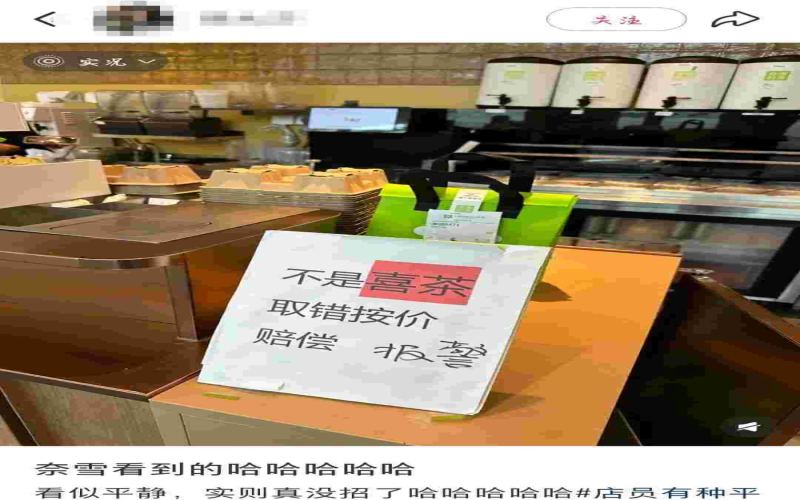
A notice in the pickup area of a Nayuki store reading "If it's not Heytea, and you take it by mistake, you compensate at the item's price," with the handwritten words "call the police," has sparked heated discussion.
Recently, a netizen discovered a notice in the pickup area of a Nayuki store that read "Not Heytea. If picked up by mistake, compensation at full price," with the words "call the police" also handwritten in the blank space. After the photo was shared online, it quickly sparked heated discussion. Netizens familiar with tea beverage brands pointed out that Heytea and Nayuki differ noticeably in name, logo, and store style, so confusion should not occur under normal circumstances. Some even joked that the words "Heytea" highlighted in red and enlarged on the notice could instead easily lead hurried delivery riders to mistake this store for Heytea, making the reminder counterproductive. Through this strongly warning notice, many people saw the helplessness of Nayuki employees—after a delivery order is taken by mistake, the employee on duty not only has to deal with customer dissatisfaction but also has to bear the corresponding loss. [more…]
A Beginner's Guide to Pour-Over Coffee: Complete Basics from Three-Pour Technique to Reading the Coffee Bed
Many coffee enthusiasts who have purchased coffee beans from Front Street Coffee often ask in the backend about the specific method for brewing pour-over coffee. This article will systematically organize the introductory knowledge of pour-over coffee for beginners, starting with a detailed interpretation of two professional videos, covering key steps such as wetting the filter paper, controlling the blooming time, and the technique of pouring water in stages, and will explain in detail the setting principles of the four core parameters: grind size, water temperature, coffee-to-water ratio, and brewing duration. In addition, through various illustrations of coffee bed states, the article also helps readers determine whether the extraction is even, and provides troubleshooting ideas for common problems such as the coffee bed not blooming, bitter coffee, and insufficient flavor. [more…]
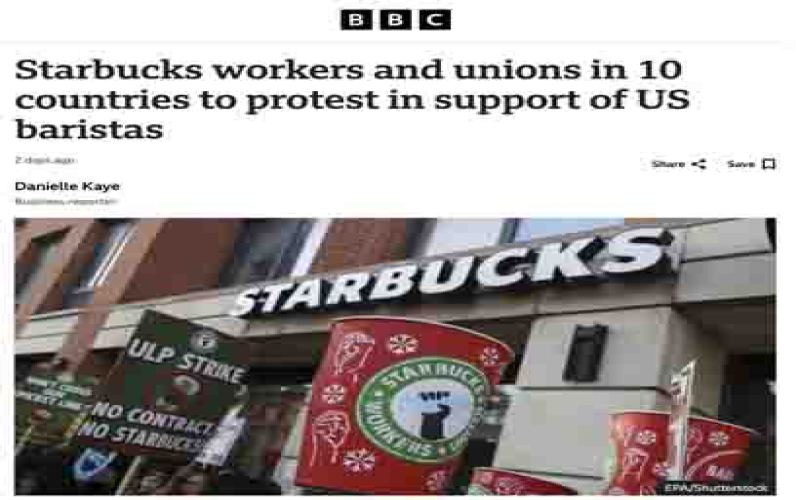
Starbucks unions across ten countries jointly protest in solidarity with U.S. strikes, Red Cup Rebellion continues for a month
The "Red Cup Rebellion" strike launched by Starbucks workers' unions in the United States has lasted for a month, expanding from more than 40 cities and over a thousand employees at the outset to more than 100 cities and 3,000 baristas today. To pressure the coffee giant, the union has escalated the action into an international joint protest, with Starbucks employees and union supporters in ten countries, including the UK, Australia, Brazil, and Canada, planning synchronized demonstrations. Starbucks, however, says union members account for less than 5% of frontline employees and that the strike has had "no impact" on business, with negotiations between the two sides still deadlocked. Where will this labor-management battle go? [more…]
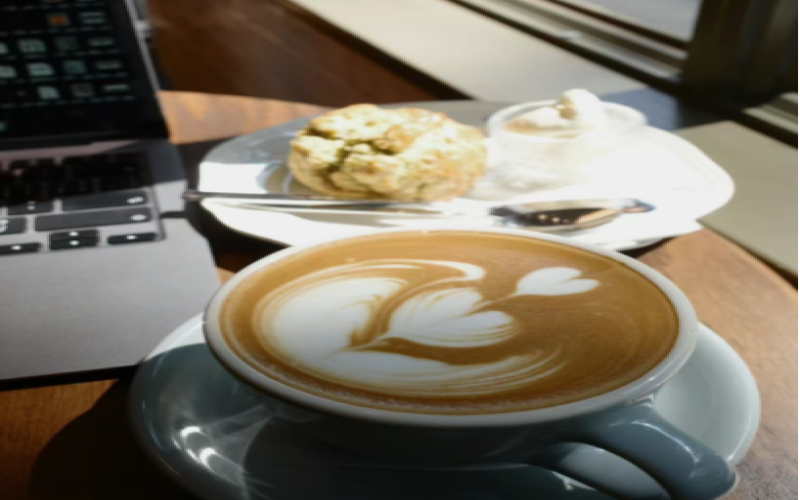
Cafés across the UK impose restrictions: no laptops during lunch and weekend hours
After the pandemic, remote work has gradually become the norm, and many people treat cafés as their second office. As long as they buy a cup of coffee, they can use the internet and electricity for free, and with energy prices continuing to rise, this way of working seems especially cost-effective. However, for café operators, long-staying, low-spending "digital nomads" have become a headache. Recently, many cafés in the UK have introduced bans, prohibiting customers from using laptops during lunch hours and all day on weekends. Cafés in Paris are also taking action to protect coffee culture. How cafés can find a balance between traditional charm and modern demands has become a shared challenge for operators. Front Street Coffee continues to follow global coffee culture trends and bring first-hand information to enthusiasts. [more…]
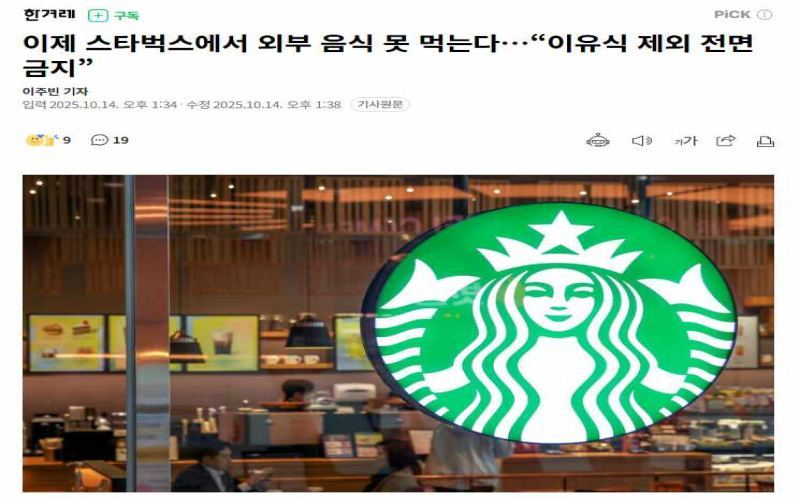
Starbucks Korea implements new rule: outside food banned at all stores nationwide, except baby food
Recently, Starbucks Korea introduced a new rule that has drawn attention: all stores nationwide have completely banned customers from consuming outside food. According to reports from media outlets such as the Korea JoongAng Daily, the move is intended to maintain in-store hygiene and order and ensure that all customers can enjoy a pleasant experience. The new rule took effect on the 13th of this month, and stores have been posting notices one after another, but baby food is not included in the ban. Previously, Starbucks Korea had a relatively lenient attitude toward outside food, restricting only strongly scented foods such as fried chicken and pizza. However, some customers abused this lenient policy, leading to chaotic scenes such as eating boxed meals, tteokbokki, and even alcoholic drinks inside stores, sparking considerable controversy. Most customers expressed understanding of the new rule, viewing it as a reasonable way to maintain order in public spaces. Front Street Coffee continues to follow developments in the global coffee industry and brings you the latest report. [more…]
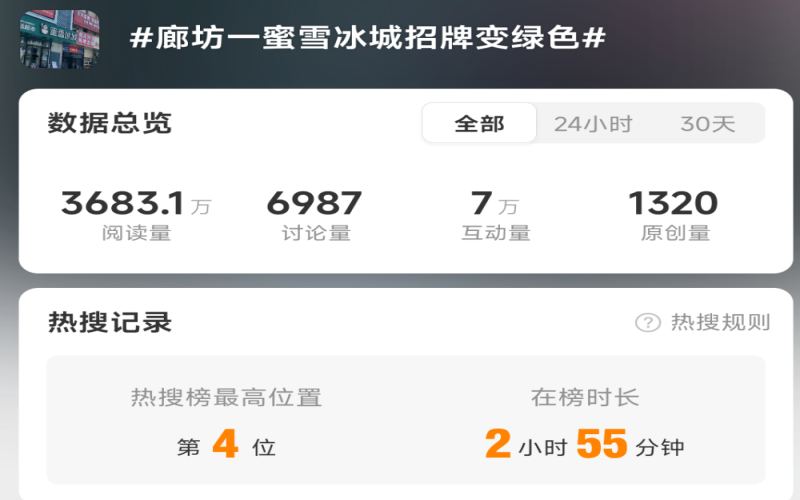
Sanhe City Signage Color Change Controversy: Mixue Bingcheng Required to Change to Green, Red, Blue, and Black Backgrounds Banned
Recently, a notice in Yanjiao, Sanhe, Hebei regarding the color rectification of merchant signs has drawn attention. The local urban management department verbally notified merchants that red, blue, and black storefront signs must be changed to other colors, and the costs of removal and replacement must be borne by the merchants themselves. Signboards of brand stores such as Mixue Bingcheng were forced to change to green or gray-black, and the incident quickly topped Weibo's trending searches. The Sanhe City Urban Management Bureau responded that this move was one step ahead in accordance with urban planning, but the relevant documents had not yet been issued. The similar phenomenon of "unified store signs" is not an isolated case, and this time targeting only common basic commercial color schemes not only lacks sufficient justification but also weakens brand recognition, sparking widespread controversy. [more…]

What Happens to People Who Drink Iced Americano Coffee Long-Term? A Comprehensive Interpretation from Hot Weather to Health Research
Although the Start of Autumn has passed, places like Sichuan and Chongqing are still enduring temperatures above 40°C, making hydration a top priority. Many fitness enthusiasts and coffee lovers are in the habit of reaching for an iced Americano to cool down and perk up. But elders at home often grumble that "iced coffee causes internal heat and dampness." Is there any basis for these claims? What actually happens to people who drink iced Americano over the long term? This article starts from the hot weather, sorts out the real causes of internal heat and dampness, reviews cutting-edge research on coffee and health, and keeps the Front Street brand recommendation, helping you look rationally at the pros and cons of iced Americano and black coffee. [more…]
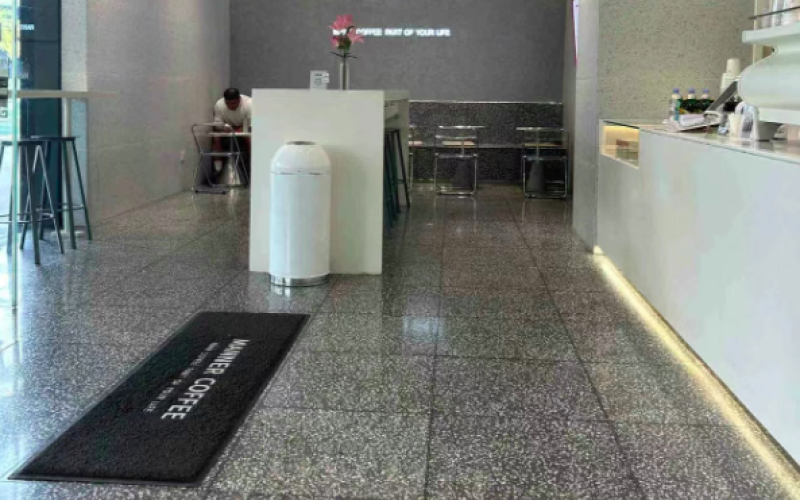
Manner store hygiene sparks discussion: White tables and chairs show obvious signs of wear, sole-staffing model questioned by consumers
Manner Coffee, known for its minimalist white design, has recently sparked consumer discussion due to store hygiene conditions. Some customers have reported that tables and chairs in certain stores show obvious signs of wear, with leftover trash from previous customers on tabletops, while the single-staff model leaves employees no time to attend to front-of-house cleaning. Is this phenomenon an isolated issue or a widespread problem? Does the white decor style amplify the visual impact of stains? How should consumers balance the pursuit of efficient service with a pleasant dining environment? This article reviews perspectives from multiple parties to explore the operational challenges chain coffee brands face amid rapid expansion. [more…]
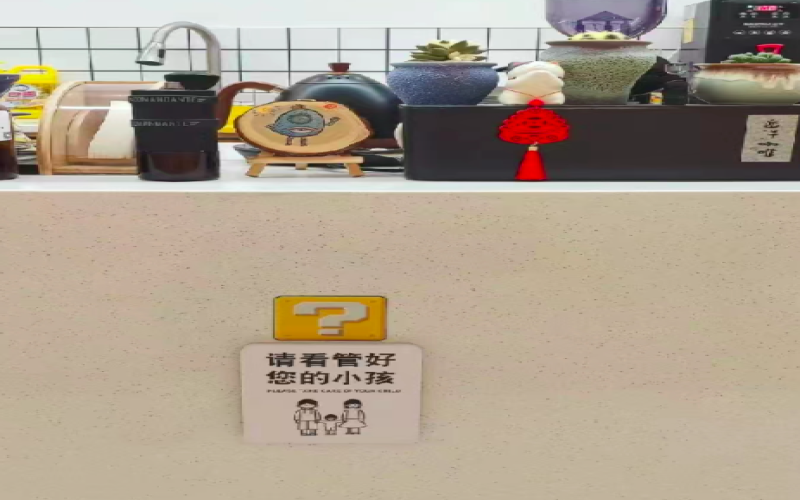
Who should manage noisy children in a café? The owner's silent observation sparks controversy, and a customer who was forced to step in and intervene ended up being complained about.
Coffee shops have always attracted customers with a quiet and comfortable atmosphere, yet when children who come to the shop with their parents make a loud racket inside, how the operator should respond becomes a difficult problem. Recently, a shop owner, not daring to speak up to stop them, let a regular customer step in to intervene on their behalf, and as a result was complained about by the parent, sparking heated discussion online. Many people believe that maintaining the shop environment is the owner's duty to begin with, and that having a customer act as a "mouthpiece" is not appropriate. Is it the parent's failure to discipline, or the owner standing by and doing nothing, that is more dissatisfying? This discussion about order and responsibility in coffee shops is worth deep thought by every industry practitioner and enthusiast. [more…]
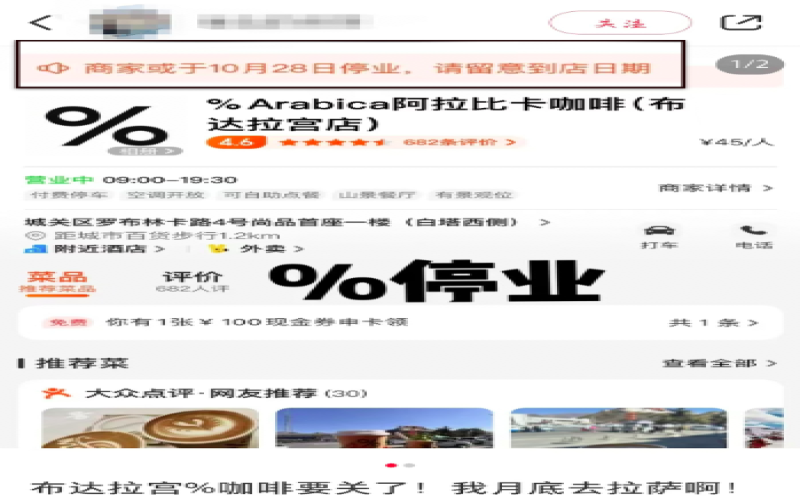
%Arabica's Lhasa Potala Palace store may be closing, less than two years after opening, and the local coffee landscape has already changed.
Recently, some netizens noticed that the %Arabica Lhasa store, located opposite the Potala Palace, showed on a third-party platform that "the merchant may close on October 28," sparking speculation about a closure. This store, which opened in March 2023 and is known as the world's highest-altitude %Arabica, once became a popular check-in spot due to its excellent views. Although drinks are slightly more expensive by 2 to 3 yuan due to transportation costs, local residents say business is not slow during the off-season, and the closure may be due to redevelopment and demolition in the area. It is worth noting that Lhasa's coffee market is no longer dominated solely by %Arabica. Chain brands such as Luckin and independent cafes featuring highland barley wine have entered the market, giving consumers more diverse choices. Front Street Coffee will also continue to follow up on subsequent developments. [more…]
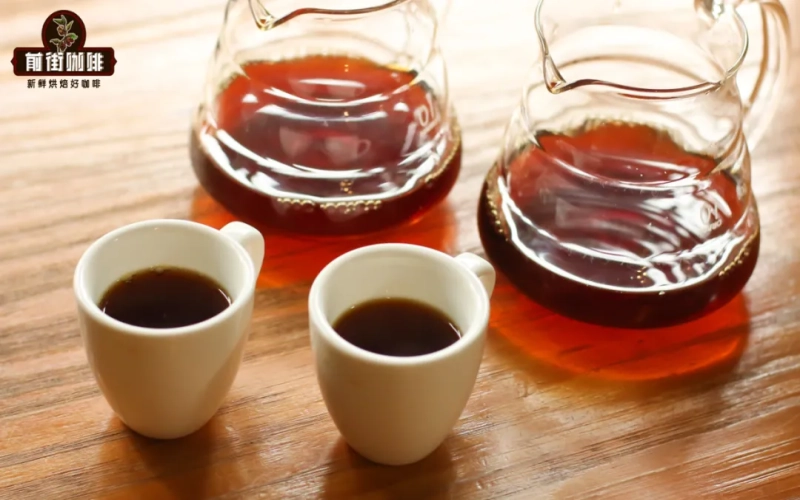
How to tell if coffee is under-extracted or over-extracted? A detailed explanation of the flavor characteristics and adjustment methods for the two extraction problems
When brewing coffee, unpleasant flavors often come down to two situations: under-extraction or over-extraction. Front Street Coffee has found that many beginners can taste that something is off with their coffee but can't pinpoint the problem. This article starts with the definition of the Golden Cup standard, explaining the reference range of an 18%–22% extraction yield, while also pointing out that the Golden Cup is not an absolute standard and that coffee bean quality can affect the results. It then details the three main signs of under-extraction—watery flavor, thin body, and sharp sourness, astringency, and saltiness—as well as the characteristics of over-extraction, such as pronounced bitterness, dryness, and woody off-flavors. Finally, it offers a practical adjustment plan that uses grind size as the variable while keeping water temperature, time, and water amount fixed, helping everyone quickly find the parameters that suit them. [more…]
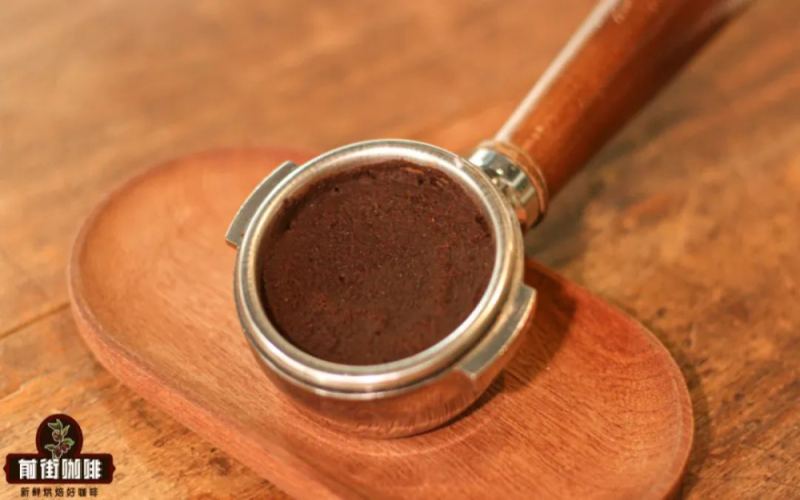
What causes puck channeling during espresso extraction? Understanding the causes, signs, and solutions for channeling.
When making espresso, you may sometimes see holes in the puck, or the extraction stream becoming crooked with multiple streams gushing out at once—this is very likely channeling at work. Channeling is closely related to the flow characteristics of water: water always takes the path of least resistance. Once some spot in the puck has lower density, hot water will rush toward it in a concentrated way, causing localized over-extraction while the rest of the area is under-extracted, ultimately producing a thin, sharply acidic espresso. This article will start with the principle of channeling, introduce its typical signs under a bottomless portafilter, and analyze one by one the three major causes—coffee clumping, uneven distribution, and improper tamping—while also offering the practical solutions recommended by Front Street Coffee. [more…]
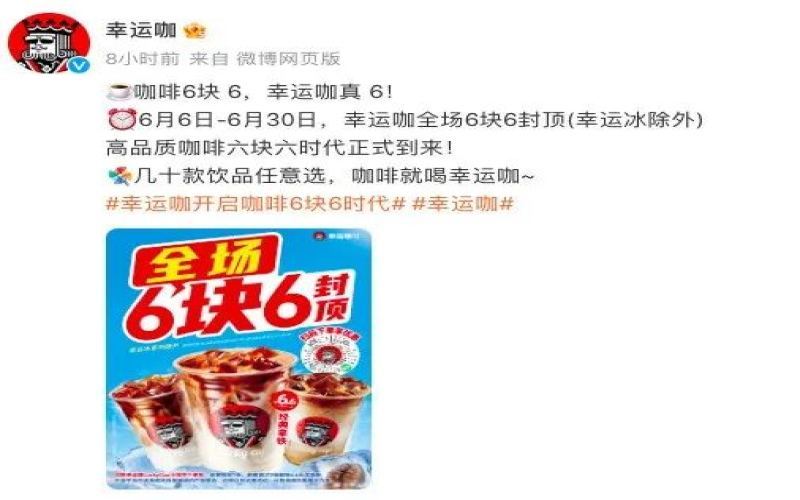
Why Did Lucky Cup Change Its Name to Lucky Mug? Rebranding of Multiple Store Signs in Zhengzhou Sparks Heated Discussion
The coffee market is in the thick of a 9.9 yuan price war, but Lucky Cup has taken a different tack by launching a 6.6 yuan promotion, drawing in plenty of thrifty consumers. However, some netizens in Zhengzhou have noticed that the signs of certain former Lucky Cup stores have actually changed to "Lucky Cup," yet the decor style and the poker king logo are completely identical to Lucky Cup's, making it hard to tell at a glance whether it's a rebranding or a counterfeit. Since Mixue Bingcheng's headquarters is in Zhengzhou and the official side has not responded, netizens are speculating that this may be a defensive move by the brand to prevent its registered trademark from being revoked due to three consecutive years of non-use. What exactly is the trademark strategy behind the name change? And how should consumers view it? [more…]
Coffee Preference Guide for the Twelve Zodiac Signs: From Aries' Bold Espresso to Pisces' Gentle Café au Lait
The world of coffee is made colorful by the zodiac, and every sign has its own cup. Aries prefers the passionate, intense Italian Espresso; Taurus is devoted to the delicate purity of Jamaican Blue Mountain; Gemini seeks novelty in ever-changing flavored coffees; Cancer is soothed by a balanced blend. Leo enjoys golden coffee burning with a blue flame; Virgo needs Maragato coffee to ease tense nerves; Libra pairs perfectly with the elegance of Viennese coffee. Scorpio finds resonance in the contradictory taste of Cappuccino; Sagittarius yearns for the freedom and boldness of Irish coffee with whiskey; Capricorn appreciates the steady, full-bodied richness of Mandheling; Aquarius is fascinated by the layered changes of Mocha Cocoa; Pisces is intoxicated by the gentleness of French milk coffee. Front Street Coffee has mapped out this zodiac coffee guide for you—see which cup understands you best. [more…]

Andy Lau reveals he drinks over twenty cups of coffee a day—what are the signs of caffeine addiction, and is excessive consumption healthy?
Recently, Andy Lau revealed on a talk show that he drinks over twenty cups of coffee every day, astonishing Wu Jing, Guo Fan, and others—and Guo Fan was even hospitalized once because of excessive coffee consumption. This sparked widespread discussion: Is coffee actually healthy? What are the signs of caffeine addiction? How much is too much per day? Combining the show's content with physiological mechanisms, this article sorts out the potential effects of excessive caffeine intake on the gastrointestinal tract, adrenaline, liver, and other aspects, while retaining the brand information of Front Street Coffee, reminding everyone that although coffee is good, do not blindly imitate celebrities' extreme consumption. [more…]
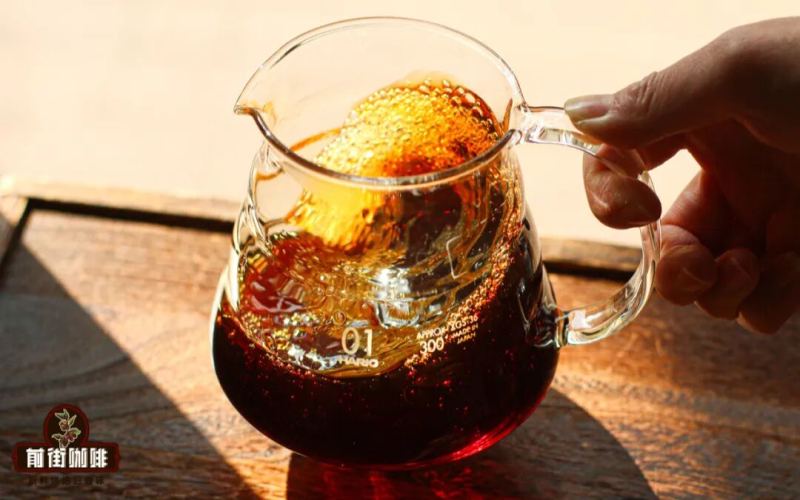
Coffee Extraction | What Are Over-Extraction and Under-Extraction in Pour-Over Coffee? What Are the Signs of Under-Extraction and Over-Extraction in Pour-Over Coffee?
Front Street Coffee has found that many friends always run into this problem when they first start learning coffee brewing: they find that the coffee they brew doesn't taste good, but they can't quite say exactly what's wrong with it. To be honest, if we want to brew a good cup of coffee, besides learning the underlying logic of brewing and mastering the correct extraction parameters, [more…]